Selling Land, Farms, Or Estates Near Lancaster: How To Prepare
July 9, 2026
July 9, 2026
If you are getting ready to sell land, a farm, or a family estate near Lancaster, preparation can shape everything from buyer interest to closing timelines. These properties often come with more moving parts than a typical home sale, especially when access, boundaries, flood factors, wells, septic records, or inherited ownership are involved. The good news is that a little upfront work can help you avoid surprises, present the property clearly, and make it easier for buyers to say yes. Let’s dive in.
Before you think about photos, pricing, or marketing, make sure you understand exactly what you are selling. In Lancaster County, the GIS system can help you research a parcel by owner name, parcel number, or property address, and it includes useful layers like parcels, roads, contours, FEMA flood maps, soils, zoning districts, LiMWA, and the Coastal Barrier Resource System.
That said, Lancaster County also makes clear that GIS maps are only a general representation. They should not replace a survey or other outside verification for legal documents. If you are selling a parcel with older family ownership, uncertain corners, or questions about road frontage, it is wise to confirm the boundary story early.
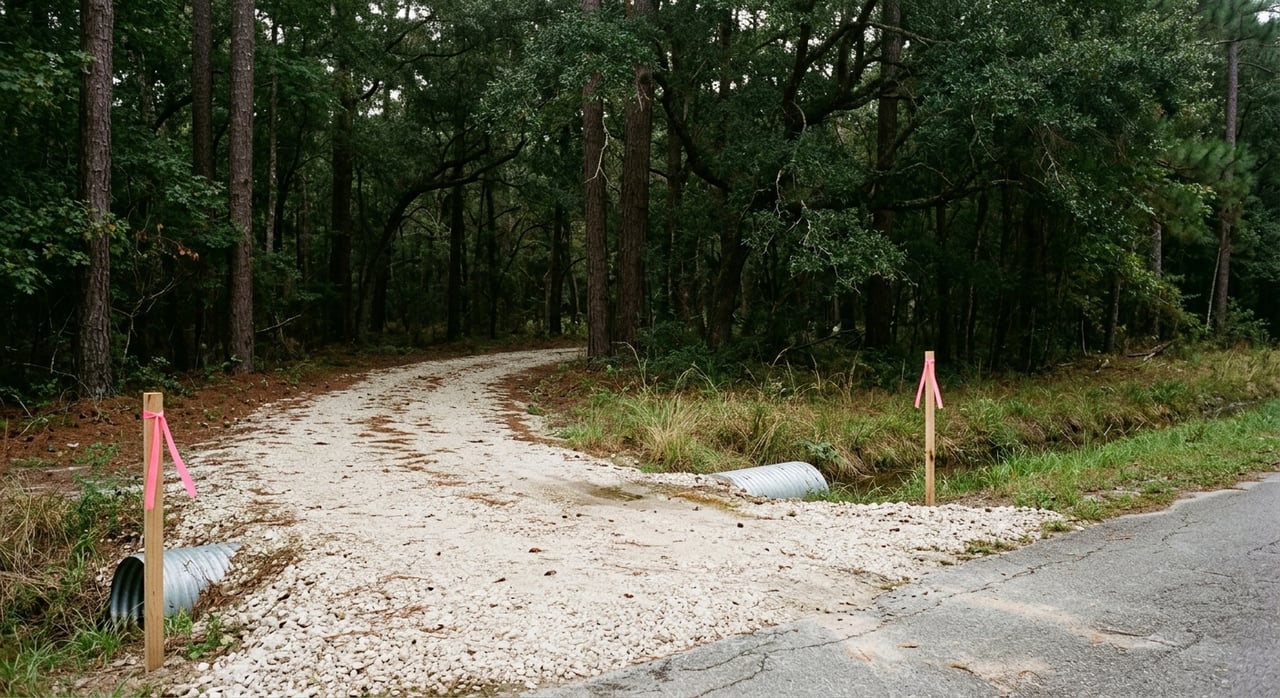
For land and rural property, buyers want to know how they get there and what they are actually getting. A clear entrance, visible drive, understandable field edges, and documented access can make a major difference in how confidently a buyer evaluates the property.
If your property has an older plat, easement, or road deed, gather it before the listing goes live. This is especially important for inherited land, long-held acreage, or estate property where the paper trail may go back many years.
If the property is part of an estate or has been passed through generations, make sure the ownership paperwork is in order. The Lancaster County Clerk of the Circuit Court records deeds, wills, and qualifications of estates, and county records date back to 1652.
For many family sales, this means pulling together deeds, probate paperwork, plats, and any easement documents before you begin marketing. It is much easier to answer buyer questions upfront than to untangle missing records after an offer arrives.
Land, farms, and estates do not need expensive staging, but they do need to be easy to understand. Buyers should be able to pull in safely, walk the property with confidence, and quickly see its layout and best features.
Simple improvements often go a long way:
These steps can help buyers focus on the property itself instead of distractions. For larger tracts, clean access and legible boundaries also make photos and in-person tours far more effective.
If you are thinking about brush clearing, grading, or similar work before listing, do not assume you can move dirt first and ask questions later. Lancaster County planning materials state that erosion and sediment control rules apply to land disturbance of 2,500 square feet or more, and that land-disturbing work must also comply with Chesapeake Bay preservation rules.
The county also has separate processes for zoning, erosion and sediment control, subdivision work, boundary line adjustments, wetlands items, and Bay Act waivers. If you are considering a lot split, lot-line change, or physical improvements to make the property more marketable, confirm the proper path before hiring equipment.
One of the best ways to prepare for selling land near Lancaster is to build a clean property file. Buyers, lenders, attorneys, and closing professionals often need more documentation for land, farms, and estates than for a standard house lot.
Having records ready can reduce delays and help your listing feel more credible from day one.
Start with these items if they are available:
These materials help match the legal description to county GIS and tax records. They also give buyers a clearer picture of how the property may be used.
In Lancaster County, the Commissioner of the Revenue administers the Land Use Program and serves as the county’s chief assessing officer. If your parcel is enrolled in use-value assessment or connected to agricultural or forest use, changing the use or subdividing the land can have tax consequences.
That is particularly important for heirs and longtime owners. Before making marketing claims about development, homesites, or future lot splits, confirm the parcel’s current land-use status and whether any change could trigger rollback tax exposure.
For rural and waterfront property, well and septic information often matters as much as square footage would matter in a house listing. Virginia Department of Health guidance says private well water testing is not required for a sale, but newly constructed wells must be tested for coliform organisms, and VDH does not itself test private wells.
For onsite sewage systems, gather the operation permit, as-built drawing if you have it, maintenance reports, any enforcement records, and any deed notice tied to an alternative onsite system. Even when a buyer plans to do their own due diligence, having these records ready helps the process move more smoothly.
Not every acre is valued the same way. In Lancaster County, a property’s appeal and price can be shaped by access, soils, zoning, flood exposure, waterfront overlays, wetlands concerns, and how easily a buyer can understand possible uses.
This is one reason land pricing should be grounded in property-specific facts, not just raw acreage or nearby asking prices.
If your property is near tidal water or wetlands, local overlay rules may affect how it should be described and marketed. Lancaster County planning materials note that the Waterfront Residential Overlay can add lot-size and buffer rules for parcels near tidal waters and wetlands.
The Flood Plain Overlay applies to FEMA-identified 100-year floodplain land and requires a zoning permit and site plan for development. The county GIS also includes FEMA flood maps, LiMWA, and the Coastal Barrier Resource System, which makes early screening especially useful for coastal parcels.
For farms and acreage, buyers usually focus on practical features. They want to understand access, field layout, drainage, soil quality, woodlots, barns or sheds, and whether the tract may be suitable for farming, recreation, or a future homesite.
Lancaster County GIS includes a soils layer, and USDA’s Web Soil Survey provides current soil data for land-use decisions. County planning materials also note that Class I and some Class II soils are prime agricultural soils, which can be useful context when presenting farm ground.
The best land and estate marketing does not oversell. It explains the property clearly, supports the story with records and visuals, and helps buyers picture how the tract functions in real life.
That is especially true in the Northern Neck, where waterfront, rural, and inherited properties often come with unique questions. Straightforward marketing builds trust and attracts buyers who are serious and informed.
Depending on the property, strong marketing points may include:
A buyer looking at acreage near Lancaster usually wants more than a pretty photo. They want usable information that helps them decide if the property fits their goals.
A farm should be presented differently from a wooded parcel, and a waterfront estate should be handled differently from a buildable inland lot. Some listings need a practical, data-driven approach. Others benefit from showcasing the setting, views, history, and Northern Neck lifestyle along with the facts.
This is where local guidance matters. When marketing reflects the actual strengths and constraints of the property, buyers tend to come in with better expectations and stronger questions.
You do not need to solve every issue alone before selling, but you do want the right people involved early. If you are unsure about title, zoning, estate authority, wetlands, septic, or land-use status, it helps to get answers before the listing starts attracting attention.
Depending on the question, that may mean checking with the Clerk of the Circuit Court for deeds and probate records, the Commissioner of the Revenue for assessment and land-use questions, the local health department for well and septic records, or an attorney or tax advisor for transfer, easement, and rollback tax questions.
Selling land, farms, or estates near Lancaster is not just about putting a sign in the yard. It is about understanding the parcel, organizing the paperwork, preparing the property for showings, and pricing it around the facts that truly matter.
With the right preparation, you can reduce stress, avoid preventable delays, and present your property with confidence. If you are thinking about selling acreage, waterfront land, a farm, or a longtime family estate in the Northern Neck, Middle Bay Realty can help you take the next step with clear local guidance.
Stay up to date on the latest real estate trends.





Experience a real estate partnership built on trust, expertise, and genuine care. We bring a lifelong understanding of what “home” truly means to every client and every decision.